
Geopolitical Flashpoint in the Strait of Hormuz and the Global Market Rout: US-Iran Escalation Fact Check and the Crude Oil Domino Effect
The global financial markets have once again collided with a massive iceberg in the form of Middle Eastern geopolitical risk. Military tensions have reached a fever pitch in the Strait of Hormuz—the world’s primary artery for maritime oil transit—triggering heavy selling pressures across both domestic Korean exchanges and Wall Street yesterday. Shockwaves from reports of missile exchanges sharply deteriorated investor sentiment, unleashing panic-driven liquidations. In this post, we will fact-check the exact nature of the confrontation in the Strait of Hormuz and coldly analyze the structural transmission channels through which this risk destabilized both Korean and US equity markets.
1) Fact-Checking the Missile Escalation in the Strait of Hormuz
The reality of the event that paralyzed the market is not a total, direct conventional war between the United States and Iran, but rather a severe localized proxy conflict and retaliatory dynamic inside the strait. Iranian-backed regional factions targeted commercial oil tankers and transit vessels via drone and missile provocations. In response, US military command immediately deployed air and naval assets to launch retaliatory airstrikes against launching sites and strategic operational assets inside the region, escalating concrete physical clashes. The Strait of Hormuz is a global financial chokepoint, narrowing to just about 30 kilometers at its tightest bounds. Because it can be bottlenecked at any moment, West Texas Intermediate (WTI) crude futures surged intraday the second the reports broke.
2) Why Mid-East Tensions Sent the Korean Stock Market Plummeting
The reason the South Korean market suffered a significantly more devastating blow yesterday compared to its Western counterparts lies in its underlying economic architecture. South Korea is a heavily industrialized, export-driven economy that depends on imports for over 90% of its hydrocarbons and structural energy needs. A supply-side crude oil shock drastically increases baseline domestic industrial input costs, shrinking corporate operating margins and flipping the national trade balance into a deficit.
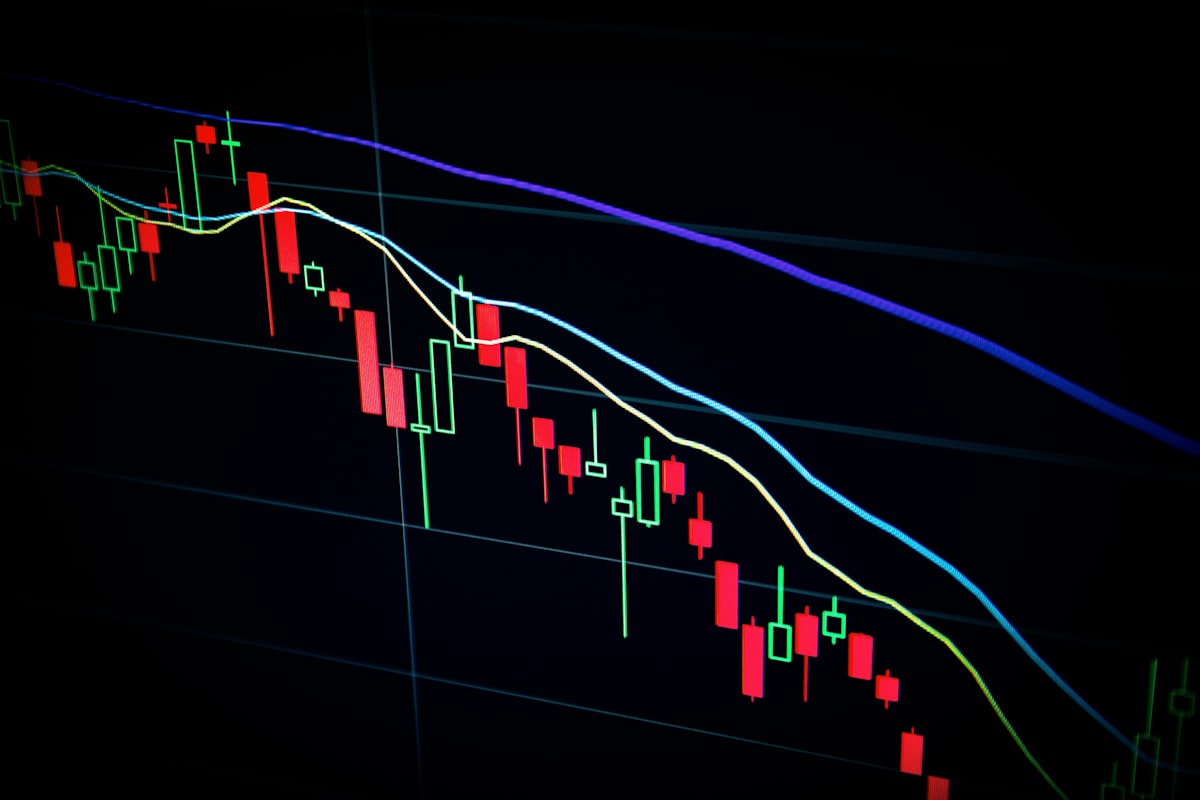
Furthermore, as resurgent inflation anxieties effectively extinguished expectations of a near-term Federal Reserve rate cut, the Dollar Index spiked, forcing the KRW/USD exchange rate past critical technical resistance levels. In a rapidly depreciating currency environment, foreign institutional investors face immediate, unhedged foreign exchange losses on their Korean equity holdings. Consequently, they aggressively dumped highly liquid, large-cap index drivers such as Samsung Electronics and SK Hynix. Ultimately, the twin shocks of surging crude and currency market volatility forced the KOSPI and KOSDAQ into a steep correction.
3) Interconnectedness with Wall Street and the Forward Outlook
US stock exchanges were equally vulnerable to the geopolitical shock. Rising energy prices threaten to reignite the very inflationary embers the Federal Reserve has been fighting to extinguish, delivering a direct blow to the tech-heavy Nasdaq. Big Tech enterprises, whose premium valuations depend heavily on the justification of impending interest rate cuts, faced substantial profit-taking as the narrative shifted back toward prolonged higher rates. The medium-term trajectory of both markets now hinges entirely on the kinetic scale of US retaliatory actions and whether Iran attempts a structural blockade of the strait. If Iran triggers an absolute closure, fears of energy-driven stagflation will institutionalize, forcing global equities to test deeper technical support floors.





.png)


